
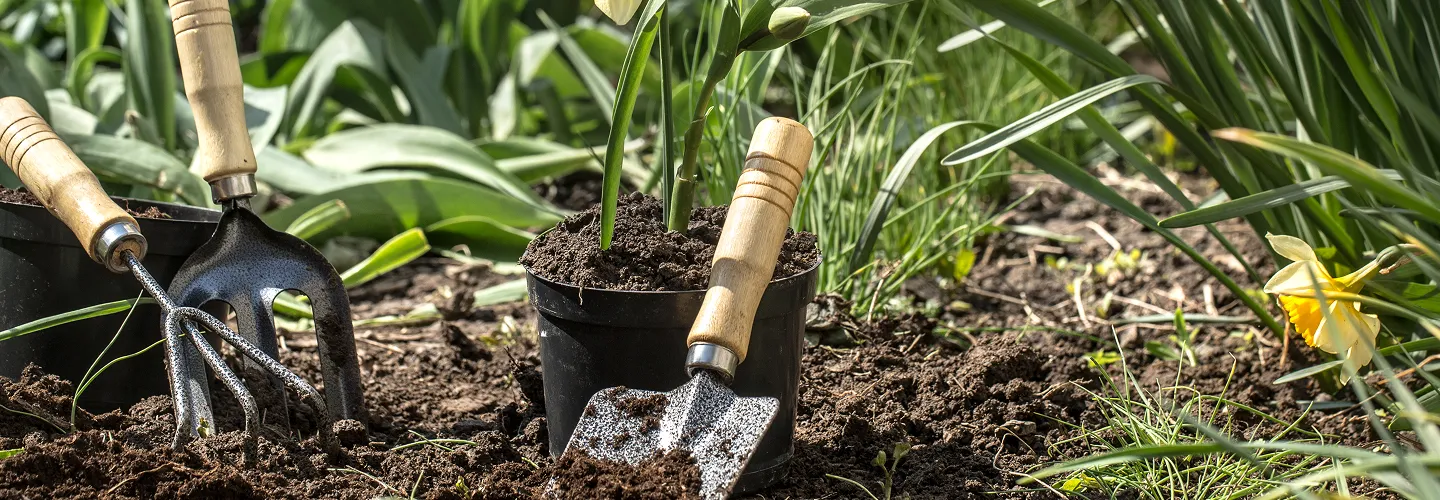
Santa Fe Lawn Seeding Services
Choose our expert lawn seeding services for a lush, resilient yard—our local team uses premium seed blends and proven techniques to ensure your grass thrives in Santa Fe’s unique climate.
Get a Free QuoteOur Santa Fe Landscaping & Yard Care Services
When to Schedule Lawn Seeding in Santa Fe, Texas – Seasonal Guide
In Santa Fe, Texas, timing your lawn seeding is crucial for achieving a lush, healthy yard that thrives year-round. The best periods for seeding are typically early spring and early fall, when temperatures are moderate and rainfall is more predictable. Santa Fe’s climate, influenced by its proximity to Galveston Bay and the Gulf Coast, brings warm, humid summers and mild winters, but late frosts can still occur—especially in neighborhoods near Runge Park or along FM 1764. Monitoring local frost dates and soil temperatures is essential to ensure seeds germinate successfully and avoid damage from unexpected cold snaps.
Local environmental factors such as drought risk, soil composition, and shade from mature oaks or pecans—common in areas like Arcadia and Alta Loma—play a significant role in determining the optimal seeding window. Sandy soils, prevalent in much of Santa Fe, require careful moisture management, while municipal watering restrictions may impact your ability to keep new seedbeds consistently moist. For more information on local regulations and best practices, visit the official city resource.
Local Factors to Consider for Lawn Seeding in Santa Fe
- Tree density and shade coverage, especially in established neighborhoods
- Soil type (sandy vs. clay) and drainage characteristics
- Average precipitation and risk of drought during seeding months
- Proximity to landmarks like Runge Park, which may influence microclimates
- Municipal watering restrictions or seasonal ordinances
- Terrain slope and risk of erosion after heavy rains
Benefits of Lawn Seeding in Santa Fe
Locally Adapted Grass Varieties
Improved Lawn Density
Enhanced Curb Appeal
Cost-Effective Lawn Establishment
Expert Seeding Techniques
Sustainable Landscaping Solutions
Santa Fe Lawn Seeding Types

Cool-Season Grass Seeding
-
Warm-Season Grass Seeding
-
Overseeding Existing Lawns
-
Native Grass Seeding
-
Drought-Tolerant Lawn Seeding
-
Erosion Control Seeding
-
Shade-Tolerant Grass Seeding
Our Lawn Seeding Process
Site Evaluation
Soil Preparation
Seed Selection
Seeding Application
Watering and Maintenance
Why Choose Santa Fe Landscape Services
-
Santa Fe Homeowners Trust Us
-
Expert Lawn and Garden Care
-
Reliable Maintenance Services
-
Competitive Pricing
-
Professional and Courteous Team
-
Sustainable Landscaping Solutions
-
Personalized Service for Every Property
Soil Series and Drainage Considerations for Lawn Seeding in Santa Fe
Santa Fe, TX is characterized by Vertisols and Mollisols, including the Houston Black clay and Lake Charles clay series, which are known for their high clay content, slow drainage, and tendency to compact. These soils typically have a pH range of 7.0-8.0, requiring careful soil preparation for successful lawn seeding. Core aeration to a depth of 2-3 inches is recommended to alleviate compaction and improve seed-to-soil contact. Incorporating 2-3 inches of compost and, where pH exceeds 7.5, elemental sulfur can help optimize conditions for turfgrass establishment. Soil testing is available through Texas A&M AgriLife Extension for $15-25 per sample. For detailed soil mapping, consult the USDA Web Soil Survey.
Santa Fe Community Services Department
12002 Highway 6, Santa Fe, TX 77510
Phone: (409) 925-6412
Official Website: Santa Fe Community Services Department
Optimal Lawn Seeding Timing and Climate Zone Guidance for Santa Fe
Santa Fe is located in USDA Hardiness Zone 9a, with average annual minimum temperatures of 20-25°F. The optimal window for cool-season grass seeding is from October 1 to November 15, when soil temperatures range from 65°F to 75°F. Warm-season grasses such as bermudagrass and zoysiagrass should be seeded from April 15 to June 1, after the last frost and when soil temperatures exceed 65°F. Avoid seeding during the peak summer months (June-August) due to heat stress and high evaporation rates. For up-to-date weather and soil temperature data, refer to the National Weather Service Houston/Galveston Office. Recommended timing:
- Cool-season: October 1 – November 15
- Warm-season: April 15 – June 1
- Avoid: June – August (heat stress)
Municipal Coordination and Lawn Seeding Ordinances in Santa Fe
Lawn seeding activities in Santa Fe must comply with local ordinances regarding equipment operation and property maintenance. Equipment such as seeders and aerators may be operated:
- Monday-Friday: 7:00 AM – 7:00 PM
- Saturday: 8:00 AM – 6:00 PM
- Sunday and holidays: Prohibited All seeding projects must maintain a 25-foot buffer from wetlands and drainage ditches to comply with city and Clean Water Act requirements. Property owners are responsible for preventing soil and seed runoff into storm drains, as mandated by the city’s MS4 permit. For questions on compliance or to report violations, contact:
Santa Fe Code Enforcement
12002 Highway 6, Santa Fe, TX 77510
Phone: (409) 925-6412
Official Website: Santa Fe Code Enforcement
Environmental Compliance: Stormwater and State Regulations for Lawn Seeding
Lawn seeding in Santa Fe is subject to both municipal and state environmental regulations. The Texas Water Code and Texas Commission on Environmental Quality (TCEQ) require that no fertilizer or seed be applied within 50 feet of water bodies or wetlands. The city’s MS4 stormwater permit prohibits grass clippings, soil, or seed from entering storm drains. Buffer zones of at least 25 feet must be maintained around all mapped wetlands and drainage channels. For additional guidance on environmental compliance, consult:
Galveston County Health District Environmental Health Services
9850 Emmett F. Lowry Expressway, Texas City, TX 77591
Phone: (409) 938-7221
Official Website: Galveston County Health District Environmental Health Services
Professional Standards and Safety Protocols for Lawn Seeding in Santa Fe
All lawn seeding operations in Santa Fe must adhere to professional safety and equipment standards. Operators are required to use:
- Eye protection: ANSI Z87.1 safety glasses
- Hearing protection: Earmuffs or plugs for 85+ dB noise
- Footwear: Steel-toed boots with non-slip soles
- Gloves: Cut-resistant for equipment handling Commercial-grade seeders and aerators must be maintained with blades sharpened every 20-25 hours of use. Maintain a 15-foot clearance from overhead utilities and public sidewalks during operation. For projects near public rights-of-way, advance warning signage is required. For further information on safety and operational standards, contact:
Santa Fe Street Department
12002 Highway 6, Santa Fe, TX 77510
Phone: (409) 925-6412
Official Website: Santa Fe Street Department
What Neighborhoods Do We Serve Throughout Santa Fe, TX?
- Alta Loma: Features expansive lots with Houston Black clay soils, requiring deep aeration and careful drainage management for successful seeding.
- Arcadia: Characterized by mature tree cover and moderate slope, necessitating shade-tolerant grass varieties and erosion control measures.
- Bayou Estates: Proximity to wetlands and drainage channels means strict buffer compliance and frequent soil moisture monitoring are essential.
- Lago Santa Fe: Newer development with compacted fill soils; soil amendment and core aeration are critical for seed establishment.
- Rancho Viejo: Larger properties with mixed clay and sandy soils, requiring tailored seed blends and attention to irrigation scheduling.
- Santa Fe City Center: Urban density and smaller lots present challenges with soil compaction and access, making precise equipment use and timing vital.
- Tower Estates: Located near flood-prone areas, necessitating elevated seeding beds and adherence to stormwater management protocols.